
You probably don’t think about your plumbing until something goes wrong, but certain issues simply can’t wait. When you’re facing water pouring from a burst pipe or a toilet that won’t stop overflowing, quick action is key. Knowing when to call an emergency plumber can save you from costly repairs and health risks. But how do you recognize which problems need immediate attention and which can wait until morning?
Burst Pipes and Major Leaks
When a pipe bursts or you discover a major leak in your home, it’s crucial to act quickly to prevent extensive water damage.
Don’t waste time trying to patch things up yourself—turn off your home’s main water supply immediately to stop the flow. Then, call an emergency plumber right away.
Burst pipes can flood rooms, damage walls, ruin flooring, and even compromise the structural integrity of your house.
Major leaks may not seem dramatic at first, but they can quickly escalate, causing hidden mold or weakening your foundation.
You shouldn’t ignore even small leaks, especially if you can’t locate the source.
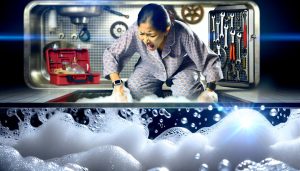
If you notice wet spots, low water pressure, or hear water running behind walls, it’s time to get professional help fast.
Overflowing Toilets or Drains
An overflowing toilet or drain signals a plumbing emergency that demands immediate attention. When water spills onto your floors, it can quickly cause water damage, encourage mold growth, and create unsanitary conditions.
Don’t try to wait it out or hope it’ll resolve itself—these situations usually get worse, not better. Shut off the water supply to the affected fixture if you can, and avoid flushing or running any more water.
You shouldn’t handle severe blockages or persistent overflow on your own. DIY attempts can worsen the problem or push the clog further down the line.
Call an emergency plumber right away to assess the situation and provide a lasting solution. Prompt action helps protect your home from extensive damage, unpleasant odors, and costly repairs down the road.
No Water Supply to Your Home
Losing access to running water upends your daily routine instantly and signals a serious plumbing issue. You can’t cook, clean, shower, or even flush toilets, making it clear that this isn’t a problem you can ignore.
When you turn on a faucet and nothing comes out, check if your neighbors are affected—this helps determine if it’s a municipal issue. If it’s just your home, inspect visible pipes and connections for leaks or damage, but don’t attempt major repairs yourself.
A sudden lack of water might mean a burst pipe, main line blockage, or a valve malfunction. In any of these cases, you’ll need an emergency plumber right away to diagnose and resolve the problem and prevent further inconvenience or property damage.
Sewage Backups and Unpleasant Odors
If you notice foul odors wafting from your drains or see sewage backing up into sinks, tubs, or toilets, you’re facing a plumbing emergency that demands immediate action.
These signs often mean a blockage or break in your main sewer line. Left unchecked, sewage backups can quickly lead to health hazards and extensive property damage.
Don’t attempt to handle raw sewage yourself—it carries dangerous bacteria and contaminants. Instead, call an emergency plumber right away. They’ve the equipment and expertise to diagnose the problem and restore safe conditions in your home.
Acting quickly helps prevent further contamination, costly repairs, and structural damage. Remember, sewage issues won’t resolve on their own, so it’s crucial that you seek professional help as soon as possible.
Sudden Drop in Water Pressure
Ever wondered why your shower suddenly trickles instead of flows? A sudden drop in water pressure can signal a serious plumbing problem.
It’s not just an inconvenience; it could point to hidden leaks, burst pipes, or even blockages deep within your plumbing system. If all your faucets and fixtures are affected, there’s likely an issue that needs immediate attention.
Don’t ignore this warning sign—ignoring it may lead to water damage, mold growth, or skyrocketing water bills. Quickly check if your neighbors are experiencing the same problem, which could suggest a municipal issue.
Otherwise, call an emergency plumber right away. They’ll diagnose the cause, prevent further complications, and restore your home’s water flow to normal before things get worse.
Water Heater Failures
Whether you’re greeted by icy water during your morning shower or notice strange noises coming from your tank, water heater failures demand prompt attention.
A malfunctioning water heater can quickly disrupt your daily routine and even pose safety risks. If you detect rusty or discolored water, leaks around the base, or a sudden lack of hot water, don’t ignore these warning signs.
These issues may indicate a failing heating element, a broken thermostat, or internal tank corrosion. Attempting to fix a water heater yourself can be dangerous, especially when dealing with gas or electrical components.
Call an emergency plumber if your water heater is leaking or not producing hot water. Fast action can prevent further damage, higher repair costs, or even potential flooding.
Frozen or Damaged Pipes
A burst or frozen pipe is more than just an inconvenience—it can rapidly lead to major water damage and costly repairs.
When temperatures drop, water inside your pipes can freeze, expand, and cause the pipe to crack or burst. If you notice frost on exposed pipes, reduced water flow, or hear strange noises, act fast.
Shut off your main water supply to prevent further flooding, then call an emergency plumber immediately. Don’t try to thaw pipes with open flames or risky methods, as this could worsen the problem or start a fire.
A professional will assess the damage, safely restore water flow, and repair or replace damaged sections. Quickly addressing frozen or damaged pipes protects your home from extensive and expensive destruction.
Persistent Clogged Drains
When water drains slowly or backs up in your sinks, showers, or toilets, you’re likely dealing with a persistent clog that household remedies can’t fix.
If plungers, drain cleaners, or snaking haven’t worked, the blockage may be deep within your plumbing. Ignoring the issue can lead to worsening backups, foul odors, or even sewage spilling into your home.
Persistent clogs aren’t just inconvenient—they can indicate a serious problem, such as tree roots invading pipes or a broken sewer line.
Don’t wait for the situation to escalate. If you notice water consistently pooling, gurgling noises, or multiple fixtures clogging at once, it’s time to call an emergency plumber.
Prompt attention prevents damage, protects your plumbing, and quickly restores normal drainage to your home.
Unexplained Water Stains or Dampness
Clogs aren’t the only plumbing issue that needs urgent attention—unexplained water stains or damp patches on your walls, ceilings, or floors can signal hidden leaks.
If you notice these signs, don’t ignore them. Water stains often mean a pipe is leaking behind the surface. Even a small, slow leak can cause extensive water damage, weaken your home’s structure, and promote mold growth.
You might also notice a musty smell or bubbling paint nearby.
When you spot any unexplained dampness or discoloration, call an emergency plumber right away. They’ll find the leak’s source and prevent further damage.
Don’t wait until the problem worsens or becomes more expensive to fix. Acting quickly protects both your property and your health from serious, hidden water issues.
Conclusion
If you notice burst pipes, overflowing toilets, sewage backups, or any sudden plumbing issues, don’t wait—call an emergency plumber right away. Acting quickly can prevent costly damage and protect your home’s safety. Remember, shutting off your main water supply gives you some control, but only a professional can handle major repairs. Trust your instincts—if something feels urgent, it probably is. It’s always better to be safe than sorry when it comes to plumbing emergencies.
0 Comments