
If you’ve ever turned on a faucet only to be met with a disappointing trickle, you know how frustrating low water pressure can be. It’s a problem you can’t ignore, and its causes aren’t always obvious. From clogged pipes to hidden leaks, several issues could be at play right inside your home. Before you call a plumber or make changes, it’s worth understanding what might be happening behind the scenes.
Blocked or Clogged Pipes
A buildup of minerals, rust, or debris inside your pipes can quickly reduce water flow and leave you with frustratingly low pressure. When you notice water trickling from your faucets or showerheads, clogged pipes are often the culprit.
Minerals from hard water, sediment, or even small objects can collect in pipes over time, narrowing the passage for water. You mightn’t see the problem, but you’ll definitely feel its effects throughout your home.
If only one fixture is affected, the blockage is likely isolated there. But if you experience low pressure everywhere, the main supply line or multiple pipes probably have obstructions.
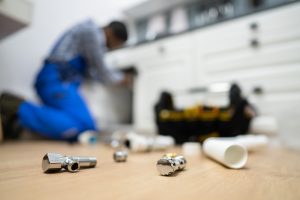
You can try removing aerators or showerheads to check for visible buildup, but severe clogs may require a plumber’s expertise to restore proper water flow.
Corroded Plumbing
While clogs can block the flow of water, corroded plumbing poses another common threat to water pressure.
Over time, metal pipes—especially galvanized steel—can rust from the inside out. As corrosion builds up, the pipe’s interior diameter shrinks, restricting water flow and causing a noticeable drop in pressure at your taps and fixtures.
You might notice water that looks discolored or has a metallic taste, both signs that corrosion is present.
If your home is older and has never had the plumbing updated, you’re more likely to experience this issue.
Corroded pipes can eventually start to leak or burst, leading to bigger problems. If you suspect corrosion, it’s wise to have a plumber inspect your pipes and recommend the best solution.
Faulty Pressure Regulator
If your home has a pressure regulator and it starts to fail, you’ll likely notice a sudden change in water pressure throughout your plumbing system.
A pressure regulator is designed to keep incoming water pressure at a safe, consistent level. When it malfunctions, water pressure can drop dramatically or even spike, causing problems at every faucet and fixture.
You might experience weak showers, slow-filling toilets, or inconsistent flow when using multiple taps. Sometimes, a faulty regulator will make a humming or banging noise in your pipes.
It’s important not to ignore these signs, as prolonged high or low pressure can damage plumbing and appliances.
If you suspect your pressure regulator is the culprit, call a licensed plumber to diagnose and replace it promptly.
Municipal Supply Issues
Sometimes, low water pressure has nothing to do with your home’s plumbing and everything to do with the city’s water supply. If your neighbors are experiencing similar issues, the problem likely originates with the municipal water system.
Cities occasionally perform maintenance, repair leaks, or flush hydrants, temporarily reducing water pressure in your area. Droughts, high demand, or aging infrastructure can also impact the overall supply and pressure delivered to homes.
Before troubleshooting your plumbing, check with your local water provider for announcements or updates about ongoing work or known issues. You can’t fix municipal problems yourself, but staying informed helps you understand what’s happening.
If the issue persists after city repairs, then it’s time to look for causes within your own property.
Partially Closed Shut-Off Valves
After confirming that the city’s water supply isn’t the culprit, take a look at your home’s shut-off valves. These valves control the flow of water into your plumbing system. If one isn’t fully open, you’ll likely notice weak water pressure throughout your house.
Locate your main shut-off valve, often found where the water line enters your home. Turn the handle counterclockwise until it stops to ensure it’s fully open.
Don’t forget about individual fixture shut-off valves, typically found under sinks and behind toilets. If someone’s recently done plumbing work or bumped a valve, it mightn’t be open all the way.
Double-check each valve to rule out this simple cause before moving on. Properly opened valves can instantly restore strong, steady water flow.
Leaking Pipes
Although you mightn’t notice them right away, leaking pipes can drastically reduce your home’s water pressure.
Even a small leak lets water escape before it reaches your faucet or shower, making your fixtures deliver weaker streams. You’re likely to see a noticeable pressure drop if the leak is severe or if you have multiple leaks throughout your plumbing system.
Leaks often occur in hidden places, like behind walls or under floors, so it’s easy to overlook them.
Watch for signs such as damp spots, mold growth, or unexpected spikes in your water bill. If you suspect a leak, act quickly.
Unrepaired leaks not only waste water but also cause structural damage. Addressing leaks as soon as you notice them helps restore proper water pressure and protects your home.
Old or Malfunctioning Fixtures
Over time, one of the most common reasons for low water pressure is old or malfunctioning fixtures. If you notice a weak stream in just one faucet or showerhead, there’s a good chance the problem lies with that specific fixture.
Mineral deposits, corrosion, or worn-out internal components can restrict water flow and reduce pressure. You’ll often see this in homes with aging plumbing or in areas with hard water.
To check, remove the aerator or showerhead and inspect it for buildup or debris. Sometimes, a simple cleaning can restore normal pressure.
If cleaning doesn’t help, it may be time to replace the fixture entirely. Upgrading to a newer, more efficient model not only solves pressure issues but can also improve water quality and flow.
Shared Plumbing Lines
When multiple fixtures or appliances draw water from the same supply line, you’ll often notice a drop in pressure, especially during peak usage times.
If you’re showering while someone else runs the dishwasher or laundry, the available water divides between all the open taps. This shared demand reduces the force of water reaching each fixture.
Homes with older plumbing systems or narrow pipes tend to experience this issue more frequently because the pipes can’t carry enough water to meet simultaneous needs.
You can identify this problem by turning on several fixtures at once and observing any decrease in water flow.
Upgrading to larger pipes or installing separate supply lines for high-demand appliances can help restore consistent pressure throughout your home, even during busy times.
Hot Water Heater Problems
One common cause of low water pressure is a problem with your hot water heater. If you notice reduced pressure only when using hot water, your water heater may be to blame.
Sediment buildup inside the tank can block pipes or clog the heater’s internal components, restricting flow. Corroded pipes connected to the heater can also narrow passageways, further reducing water pressure.
Sometimes, a partially closed shut-off valve near the heater or a faulty pressure relief valve can cause similar issues.
To troubleshoot, check if hot water pressure is low at all fixtures. If so, inspect your heater for obvious issues or contact a professional plumber.
Addressing heater problems promptly helps you restore strong, consistent water pressure throughout your home.
Conclusion
If you’re dealing with low water pressure, don’t ignore it—there’s usually a fixable cause. From clogged pipes and corroded plumbing to faulty regulators or even issues with your municipal supply, you’ve got several things to check. Don’t forget to inspect shut-off valves, look for leaks, and consider old fixtures or shared plumbing lines. By pinpointing the problem, you’ll restore strong, steady water flow and keep your home’s plumbing in top shape.
0 Comments